Google Ads PPC Campaigns: Our Complete Process, from Keywords to Conversion Pixel
How we build Google Ads campaigns that bring quote requests, not just clicks: keyword research by volume and intent, account structure, pixel tracking, and weekly optimization — the full process, step by step.
Google Ads PPC Campaigns: Our Complete Process, from Keywords to Conversion Pixel
Most Google Ads accounts we take over from other providers share the same problem: they pay for clicks but don't measure conversions. Without proper tracking, Google optimizes blind and the budget leaks into searches that never become customers.
This guide shows the exact process we apply for our clients — from keyword research to weekly optimization based on real conversion data.

Step 1: Keyword research — volume, intent, cost
We don't start from "what the client thinks people search". We start from data:
- Search volume — monthly searches per term in the target market. Below 50-100 searches/month, a keyword rarely justifies its own ad group.
- Search intent — we split terms into three buckets:
- *Informational* ("what is a presentation website") — we don't bid on these in Search; they belong to SEO and content.
- *Comparative* ("web design agency prices", "best ...") — medium intent, good for remarketing.
- *Transactional* ("request website quote", "web design company near me") — 70-80% of the budget goes here. These people want exactly what you sell, now.
- Estimated CPC — if a click costs £2-3, the landing page must convert very well for the math to work. We compute the *maximum acceptable cost per lead* before the first bid.
- Negative keywords from day 1 — "free", "cheap", "free template", "jobs" — the list starts with 50-150 negatives so the budget isn't burned on irrelevant traffic.
> Our rule: 15 keywords with clear transactional intent beat 200 broad-match terms thrown together.
Step 2: Account structure that doesn't burn budget
The structure we use for service businesses:
- One campaign per core service (not a single campaign with everything inside).
- Tight ad groups — 5-15 closely related keywords per group, so the ad answers the exact search.
- Controlled match types — we start with *phrase* and *exact*, not broad match without conversion signals.
- Responsive ads with at least 10 headlines — tested with concrete benefits, numbers and calls to action ("Get a free quote within 24h").
- Full assets — sitelinks, callouts, call and location assets. They lift CTR by 10-20% at no extra cost.
Step 3: Pixel tracking — the foundation of every profitable campaign
This is where most accounts break. If Google doesn't know what a conversion means for you, it can't optimize toward it. Our standard setup:
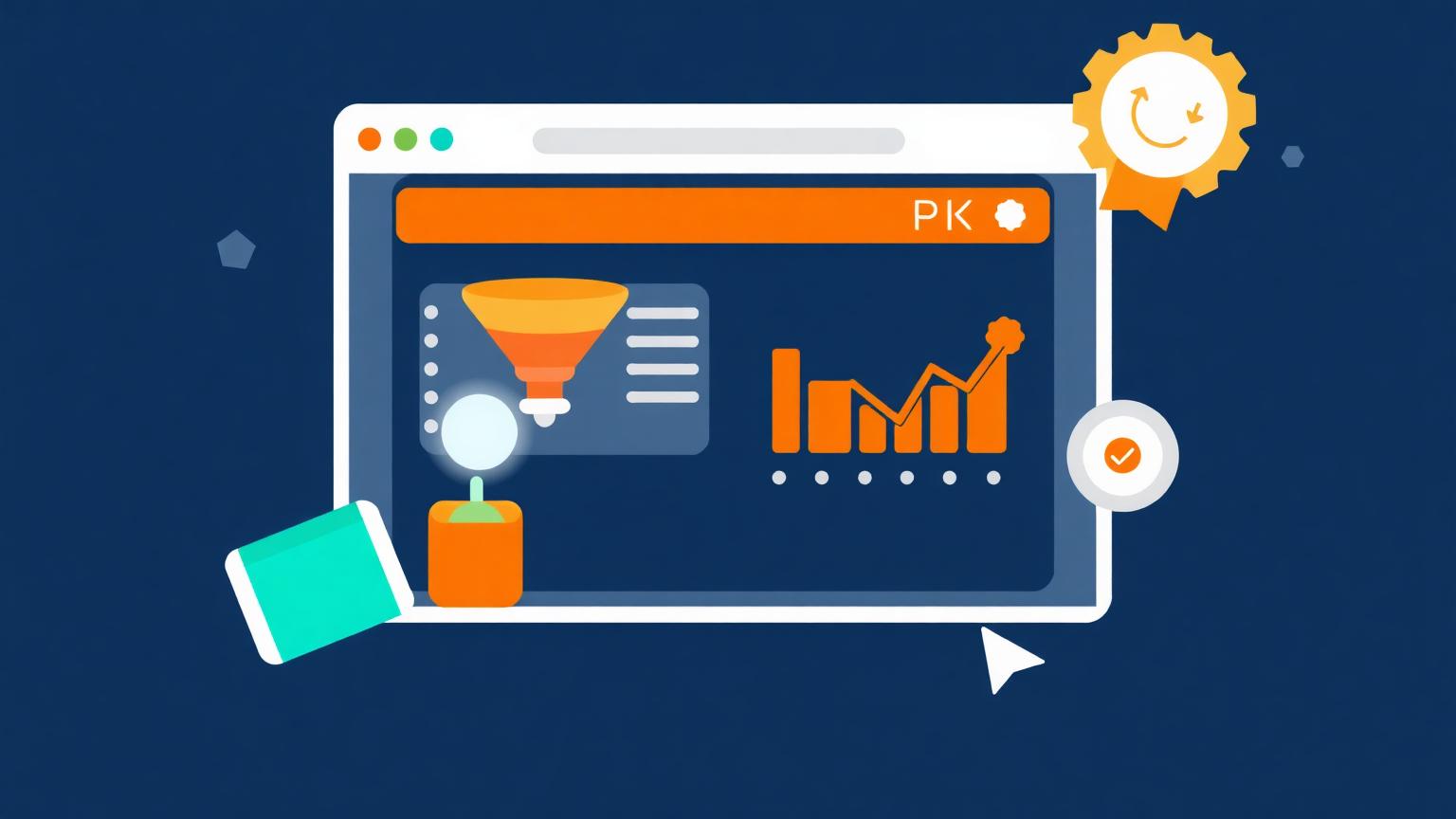
- Google Tag Manager as the single control point — every tag goes through GTM, not the site's code.
- Google Ads tag + enhanced conversions — more accurate measurement even with cookie restrictions.
- Conversion actions separated by value:
- *Primary conversions*: submitted form, phone call started from the site, WhatsApp click.
- *Micro-conversions* (observation only): 75% scroll, time on page > 60s, portfolio views.
- Consent Mode v2 — keeping tracking GDPR-compliant while recovering modeled conversions lost to the cookie banner.
- Testing before launch — we fire test conversions and verify they land correctly in Google Ads. A campaign without a verified conversion never goes live.
Step 4: The landing page — half the success
The same budget produces 2-4x more leads on a good page. Before launch we check:
- The ad's message = the page's headline (message match).
- One dominant CTA, visible without scrolling on mobile.
- Load time under 2.5 seconds — every extra second cuts conversions by ~7%.
- Social proof next to the form — reviews, projects, numbers.
Step 5: Weekly optimization — what we do with the data
A campaign is never "set and forget". Our weekly ritual:
- Search terms report — converting terms move into dedicated ad groups; new negatives are added.
- Bid adjustments by device, location and schedule — if 80% of leads come from mobile between 9am-6pm, that's where the money goes.
- Pausing ads with below-average CTR after at least 1,000 impressions.
- Tracking cost per conversion and the lead → customer rate, not just CPL. A £5 lead that never answers the phone is more expensive than a £15 lead that signs.
How long until results?
- Weeks 1-2: learning period — we collect data, we don't draw conclusions.
- Weeks 3-4: first serious optimizations; CPL starts dropping.
- Months 2-3: automated bidding strategies (Target CPA) become effective with 30+ conversions accumulated.
Conclusion
A successful PPC campaign isn't about luck or a big budget — it's about three things: keywords with real buying intent, flawless conversion tracking and constant optimization. Miss one, and the budget turns into expensive clicks with no outcome.
Want to see your business's potential in Google Ads? [Request a free opportunity analysis](/#contact) — we'll tell you honestly whether the investment is worth it or not.
Want a website that brings in customers?
We'll give you a clear proposal, with price and delivery time, no obligations.
Request a Quote